

Emergency Preparedness Planner
Build Your Free Emergency Preparedness Plan. Not sure how much food and water your family may need during an emergency? Our easy-to-use calculator helps you plan based on your household size, the number of days you want to prepare for, and any emergency supplies you may already have. You can then browse emergency products, compare prices, choose quantities, and review your shopping total before adding anything to your cart. Make informed decisions, choose the supplies that meet your household's preparedness needs, and build a plan you can depend on when it matters most.
Recommended: Use our free calculator to estimate your household's emergency food and water needs, explore suggested product quantities, and build a personalized shopping plan. Prefer to shop on your own? Browse products without using the calculator.
Already Have Some Emergency Supplies? If you have emergency food stored, check the packaging or nutrition label for the calories per serving and number of servings. Multiply those numbers to estimate the total calories in each package, then add the totals together. Enter that amount under "Calories Already Stored." If you're unsure, enter 0 for now. For water, count the gallons you already have stored and enter that amount under "Gallons of Water Already Stored." If you're just getting started, leave both fields at 0.
Emergency Food & Water Calculator
How much food and water should you consider storing? Start with the number of people you're preparing for and how long you want your supplies to last.
Continue to My Shopping Plan →
Important: These are planning estimates, not personalized nutritional requirements. Water uses a baseline of one gallon per person per day for drinking and sanitation. Additional water may be needed for preparing dehydrated food, medical needs, pets, hot weather, or strenuous activity. Compare actual food calories rather than relying only on advertised serving counts.Choosing the Right Emergency Food for Your Family
Not all emergency foods serve the same purpose. Understanding the differences between freeze-dried meals, emergency food buckets, ready-to-eat meals, and long-term storage foods can help you build a practical food supply that fits your household, storage space, and budget.
Click the + sign beside any category below to see the products, pictures, and prices. Choose the quantity you want for each product. You can open more than one category.
STEP 2 — Review Your Shopping Plan When you finish choosing products, review your selections and total before adding them to your cart.
Emergency Food Buckets
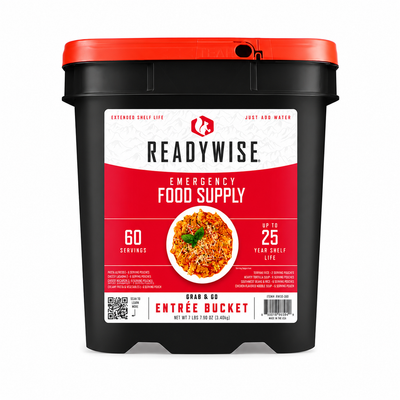
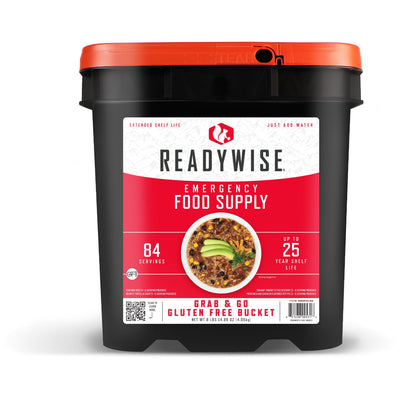
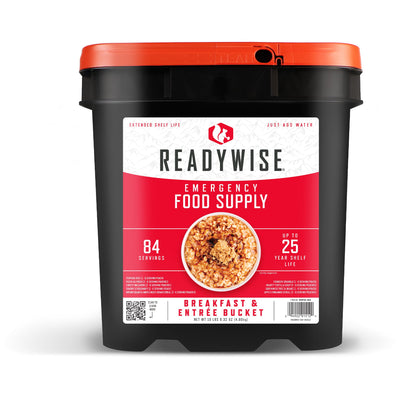
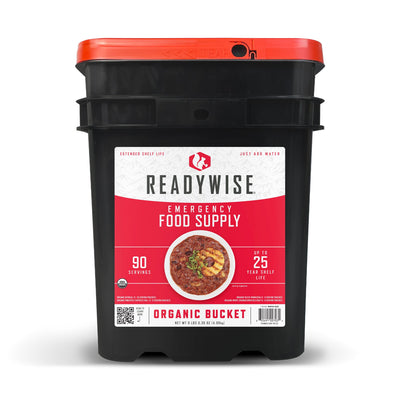
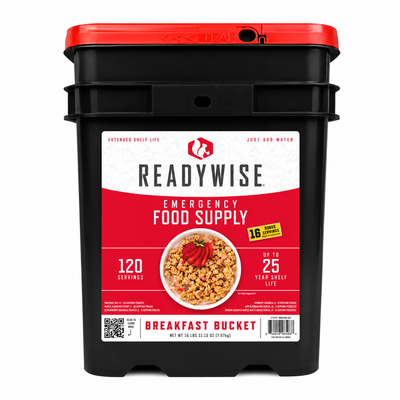
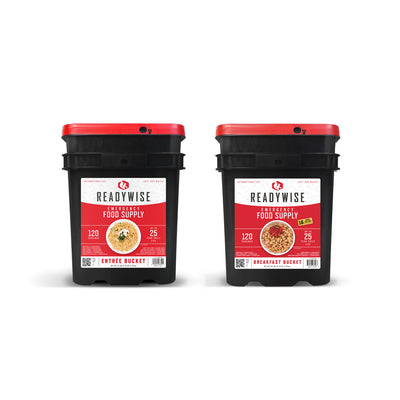
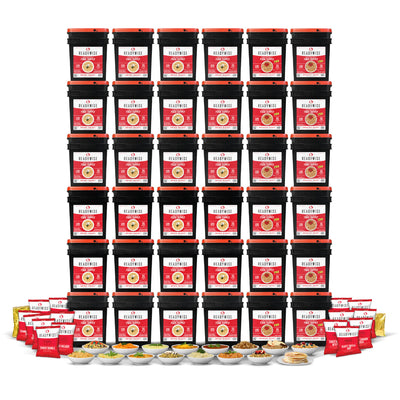
Emergency food buckets offer a convenient way to store multiple meals together for disasters, power outages, and extended emergencies. Compare buckets by total calories, meal variety, preparation requirements, and storage life rather than advertised serving counts alone. A bucket containing many servings may provide fewer complete days of food than expected, depending on your household's daily calorie needs.
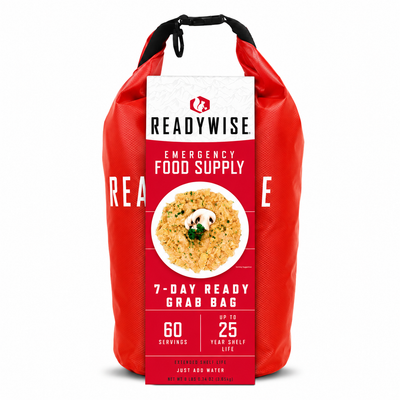
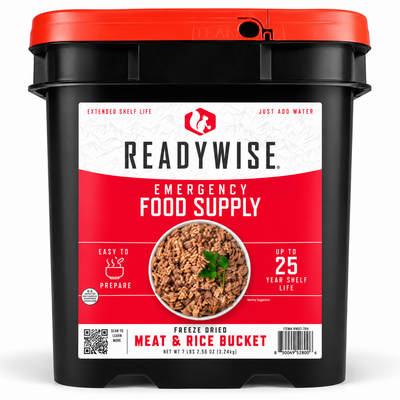
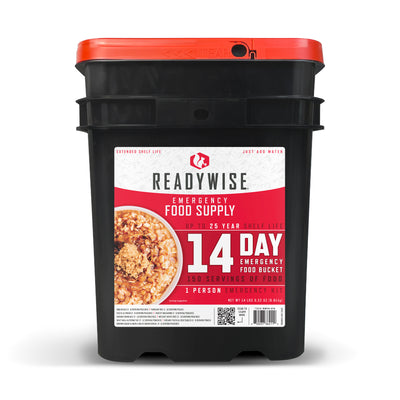
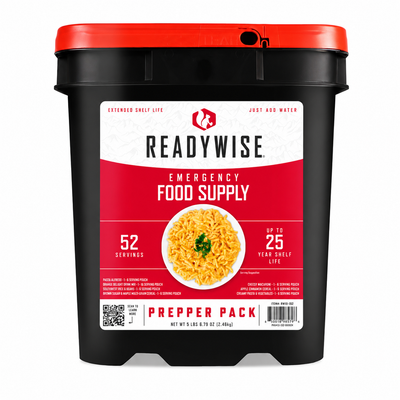
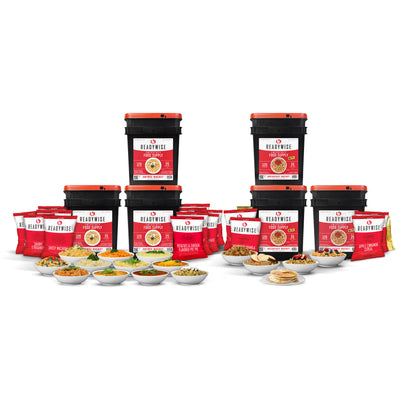
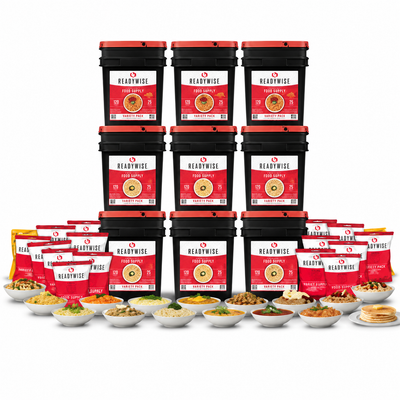
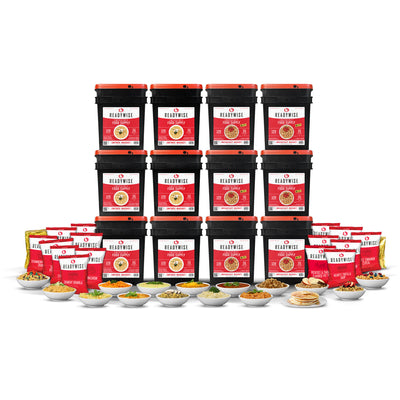
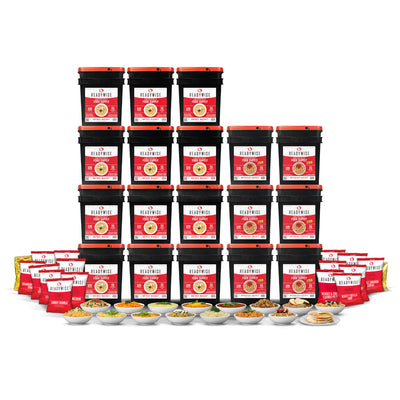
Freeze-Dried Emergency Meals
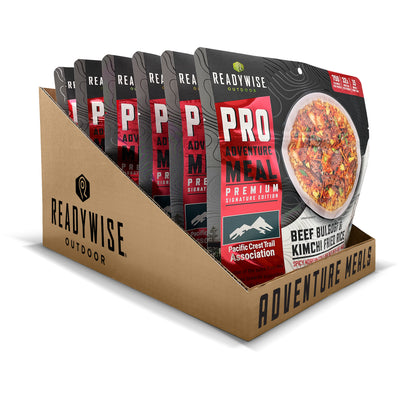
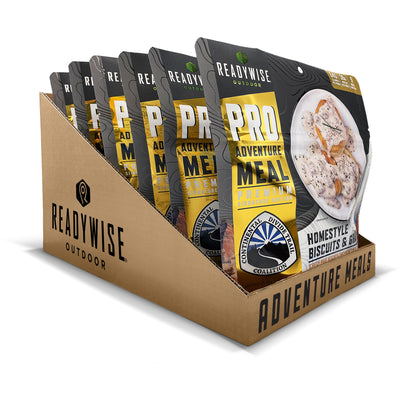
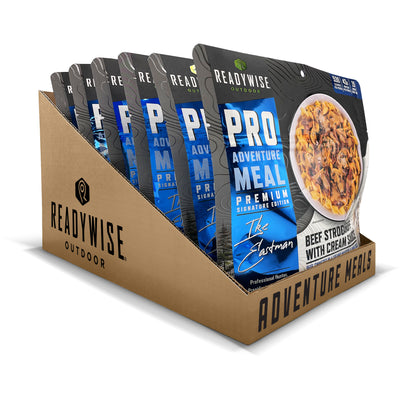
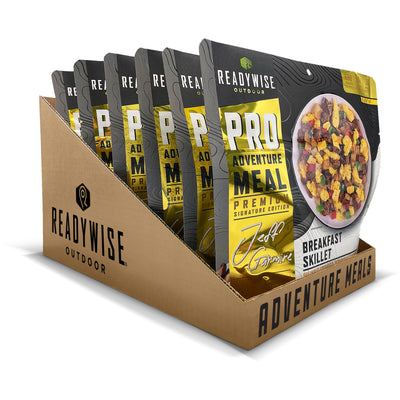
Freeze-dried meals are lightweight, compact, and convenient for long-term emergency food storage. Many require water for preparation, making it important to plan your drinking and cooking water together. Check the actual calories per package, serving sizes, storage instructions, and preparation requirements before purchasing.
MRE Meals Ready-to-Eat
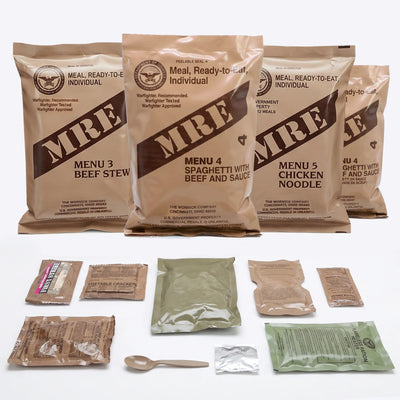
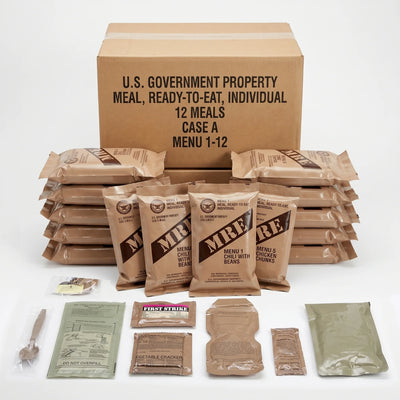
MRE meals are convenient, individually packaged foods that generally require no cooking or rehydration. Some include flameless ration heaters. Compare calories, package contents, and storage recommendations when choosing meals for your emergency supply.
Ready-to-Eat Emergency Meals
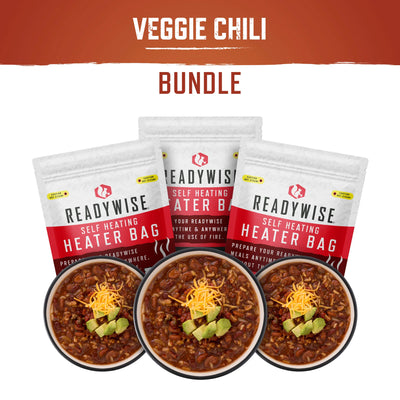
Ready-to-eat meals are useful when cooking equipment, electricity, or clean preparation water may not be available. Options such as shelf-stable meals and self-heating meals can provide convenient food during evacuations, power outages, and other emergencies. Check each product’s calorie content, heating requirements, storage conditions, and shelf life before choosing supplies for your household.
Long-Term Emergency Food #10 Cans
Large #10 cans are a practical option for building a long-term emergency pantry. Depending on the product, they may contain freeze-dried ingredients, vegetables, fruits, proteins, or complete meal components. Compare calories, servings, shelf life, storage requirements, and the amount of water or cooking needed. Once opened, follow the manufacturer’s instructions for storage and use.


Emergency Food Ration Bars & Snacks
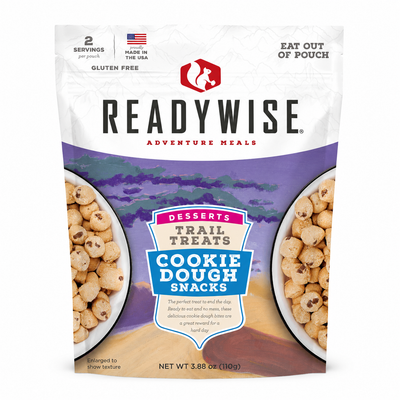
Emergency ration bars and shelf-stable snacks provide convenient food when you need something portable, compact, and easy to eat without cooking. They can be useful in evacuation bags, vehicles, emergency kits, and short-term power outages. Compare calories per package, ingredients, dietary restrictions, shelf life, and storage temperature limits. Snacks can supplement your emergency food supply, but should not automatically be counted as complete meals.



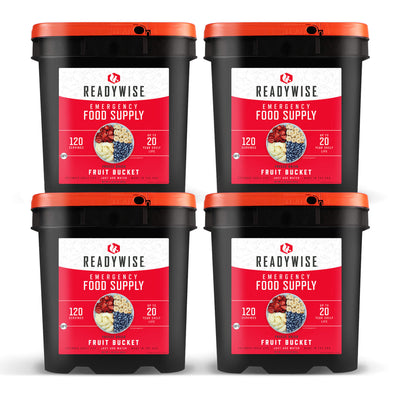
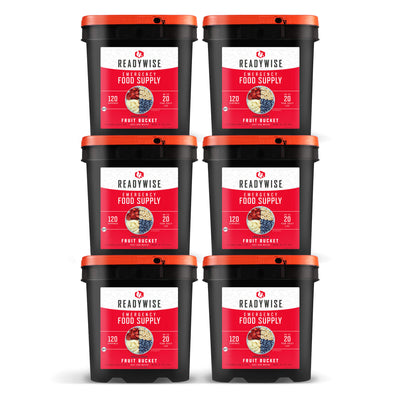
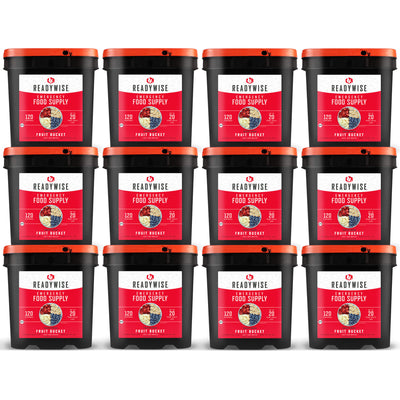
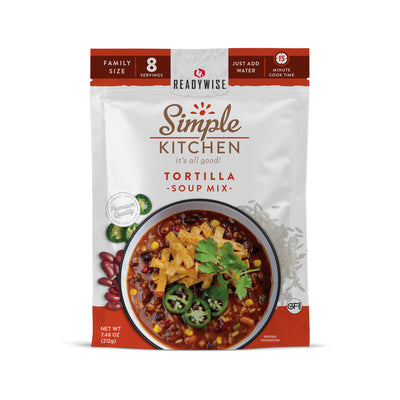
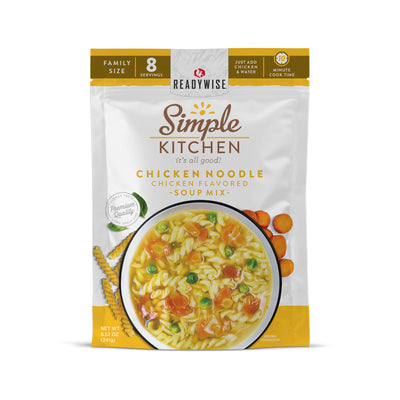
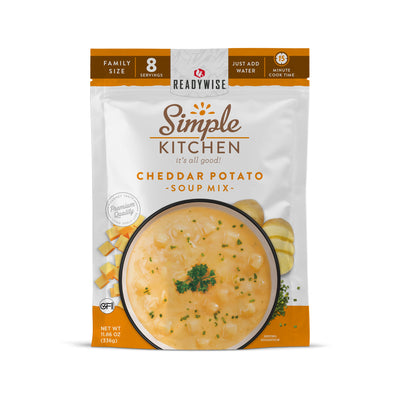
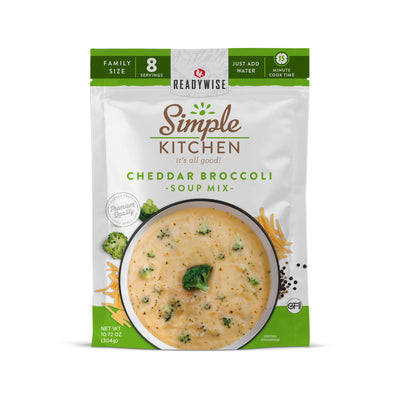
Soup Mixes & Sides
Add variety to your emergency food supply with shelf-stable soup mixes and easy-to-prepare meals. Review each product's preparation instructions, serving quantities, and storage requirements.
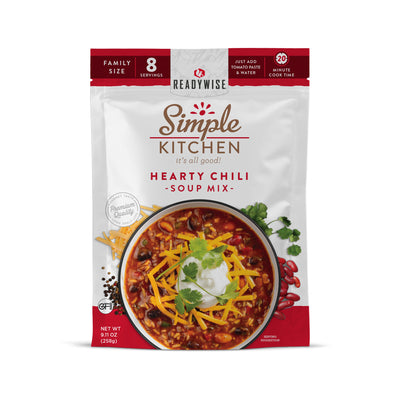
Food Storage Essentials
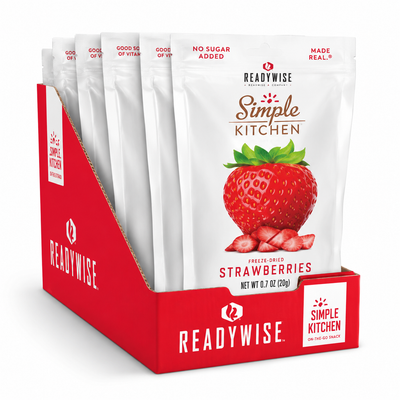
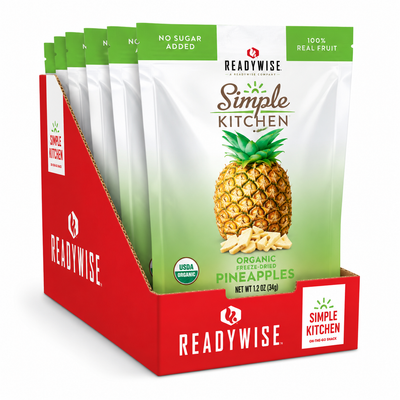
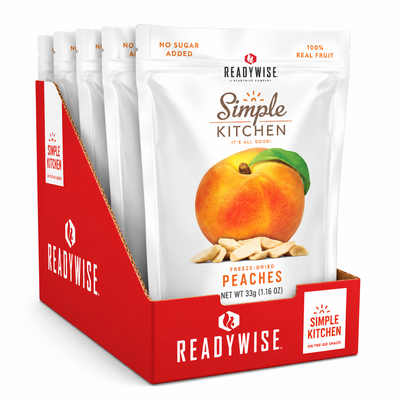
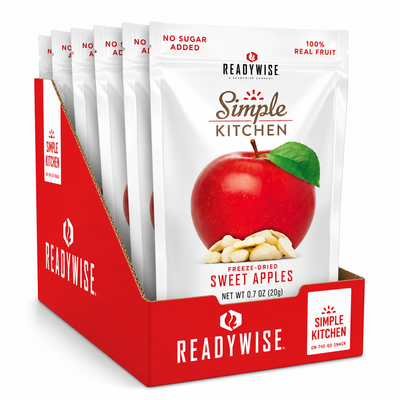
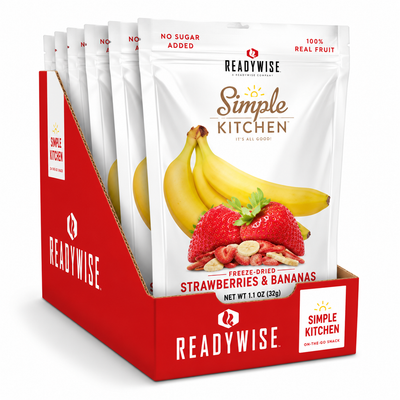
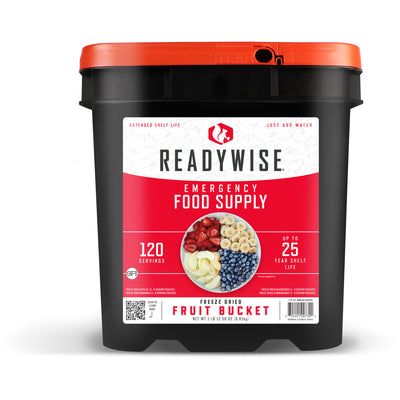
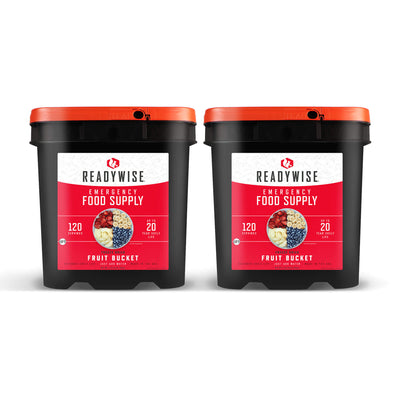
Round out your emergency pantry with freeze-dried fruits, vegetables, powdered eggs, coffee, and beverages. Select products from the groups below to add them to your preparedness plan.
Freeze-Dried Fruit
Freeze-Dried Vegetables

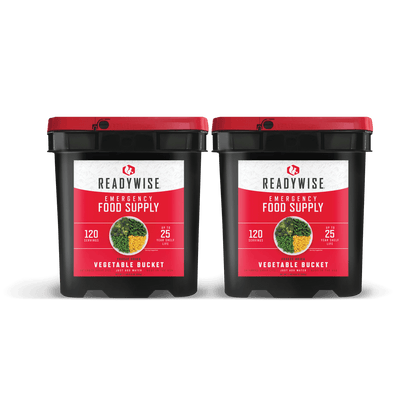
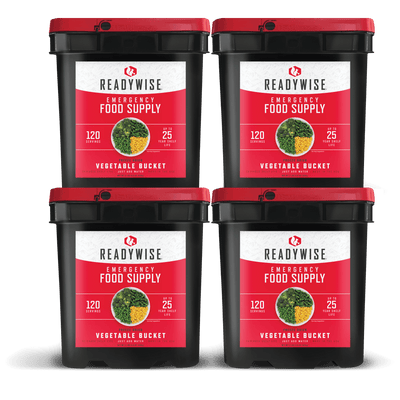

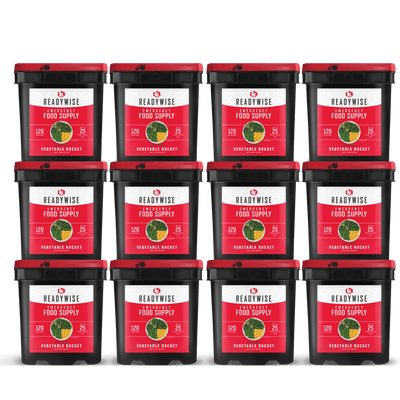
Powdered Eggs
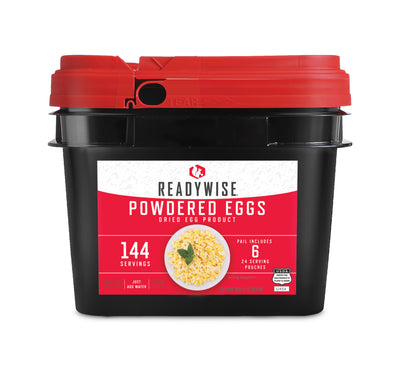
144 Servings Freeze Dried Powdered Eggs – Emergency Food Supply
$209.99
Total Package Calories: 11520
Available
Coffee & Beverages
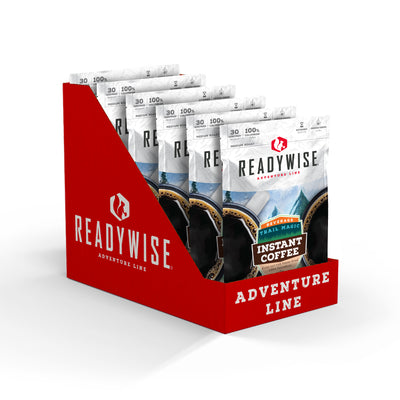
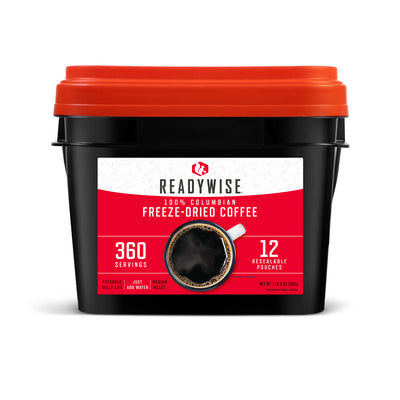
Instant Coffee Freeze Dried - Case of 6 Pouches
$56.59
Available
Beverage item — not included in your emergency food calorie total. You can still add it to your shopping plan.
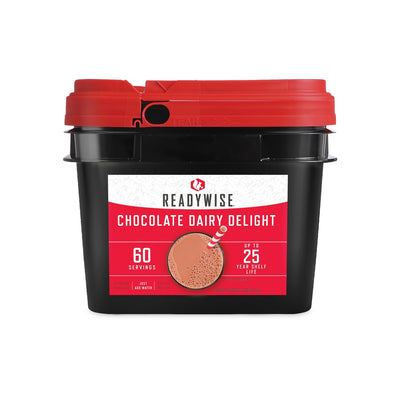
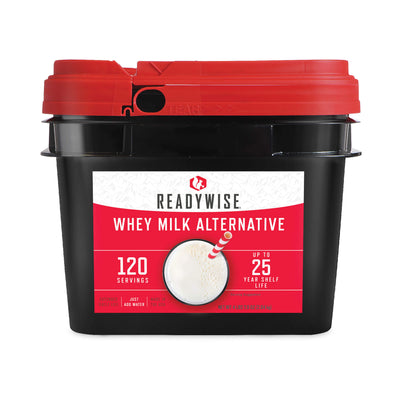
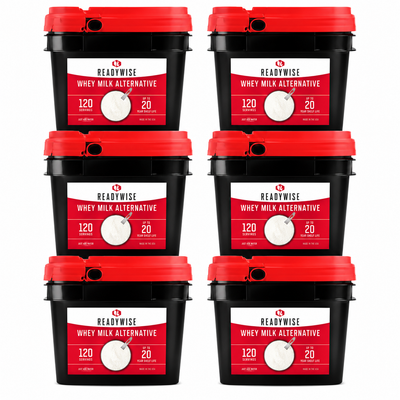
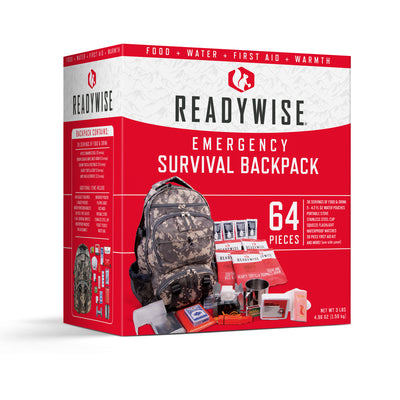
Emergency Survival Kits
Prepare for unexpected emergencies with survival kits and essential supplies for your home, vehicle, workplace, or evacuation plan.

Emergency Water Storage & Purification
Water is one of the most important emergency supplies. Plan for at least one gallon per person per day as a basic starting point for drinking and sanitation, with additional water for cooking, pets, hot weather, and special needs. Consider commercially bottled water, food-grade storage containers, and appropriate water filtration or purification methods. Store water safely, inspect containers regularly, and follow recommended replacement or treatment instructions.
Pet Emergency Kits
Dogs, cats, and other household pets need emergency supplies too. Include enough of their regular food and clean drinking water for the same number of days you are planning for your family. Keep extra food in suitable containers, rotate supplies before expiration, and remember medications, feeding bowls, leashes, and other essential pet-care items. Pets may have special dietary or medical needs, so plan their supplies separately from your household food calculations.
Emergency Cooking & Food Preparation
During a power outage, your usual kitchen appliances may not be available. Keep a combination of ready-to-eat foods and meals that require minimal preparation. If you plan to use a camping stove or portable cooking equipment, make sure you have the appropriate fuel and follow all manufacturer safety instructions. Never use outdoor grills, charcoal burners, or fuel-burning camping stoves indoors because of the risk of carbon monoxide poisoning. Remember to account for any additional water needed to prepare dehydrated or freeze-dried meals.
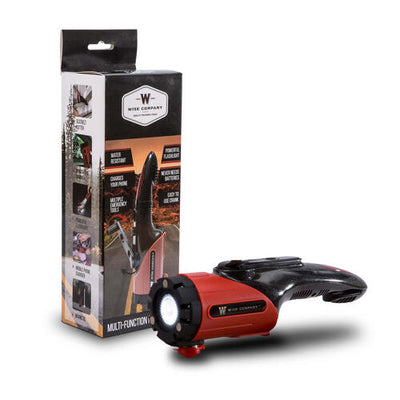
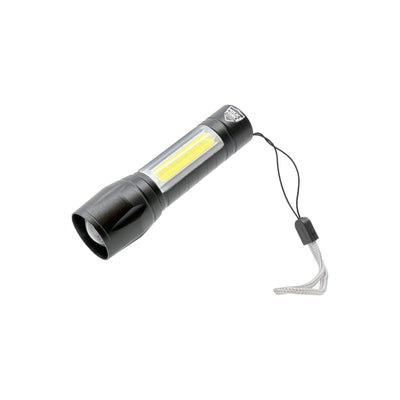
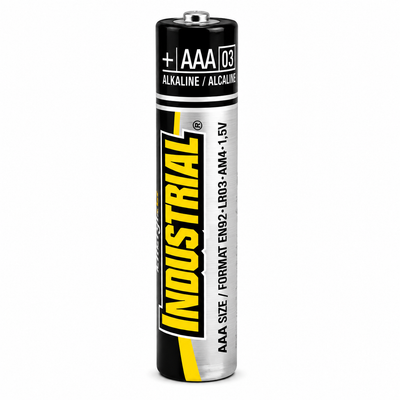
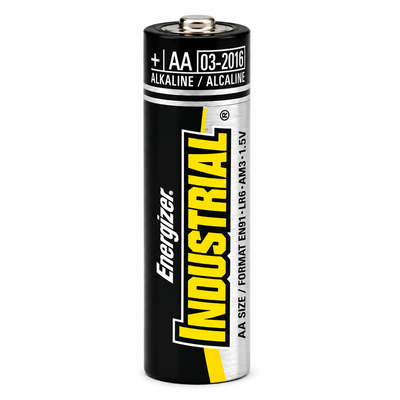
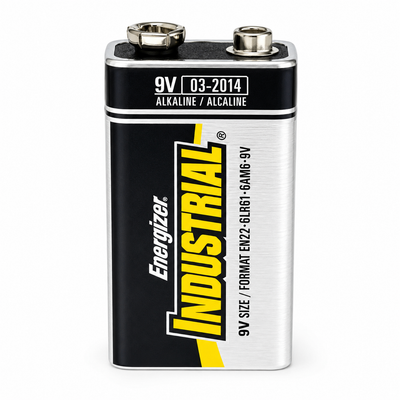
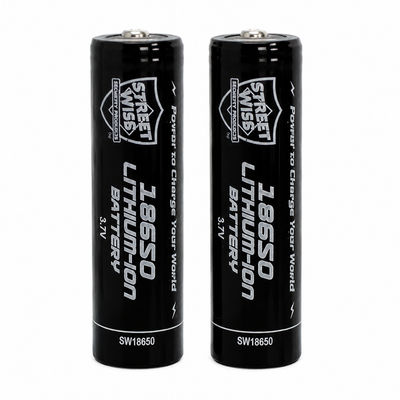
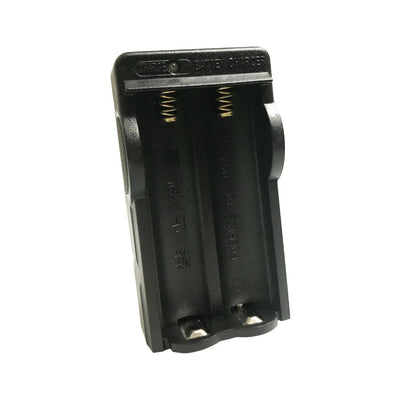
Emergency Lighting & Power
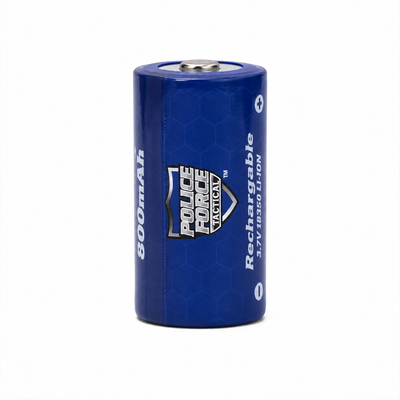
Prepare for power outages with emergency lighting, batteries, chargers, and backup power essentials.

Building Your Emergency Supply Plan on a Budget
Building an emergency food supply does not have to happen all at once. Start with a three-day supply of food and water, then gradually work toward seven, fourteen, or thirty days as your budget allows. Focus first on foods your family already eats, compare products by total calories rather than serving counts alone, and add supplies during regular shopping trips. A practical emergency plan is one you can afford, maintain, and actually use when needed.
Emergency Preparedness Checklist: Beyond Food and Water
- Flashlights, extra batteries, and emergency lighting
- Battery-powered or hand-crank emergency radio
- First-aid supplies and essential medications
- Personal hygiene and sanitation supplies
- Warm clothing, blankets, and weather-appropriate shelter supplies
- Phone charging banks and backup power options
- Important documents, emergency contacts, and some cash
- Pet food, water, medications, and transport supplies
Reviewing and Updating Your Emergency Preparedness Plan
Your emergency preparedness plan should grow and change with your household. Review your food, water, medications, batteries, and other supplies at least twice a year. Replace expired items, rotate stored food, and update your plan whenever your family size, dietary needs, or living situation changes. A little preparation today can make a meaningful difference when an emergency occurs.
Review Your Emergency Shopping Plan
My Emergency Shopping Plan
Almost Finished! Review your selected products, calories, and estimated total below. Need to make changes? Return to the product categories above and adjust your quantities. When you're satisfied, click the gold "Add My Selected Products to Cart" button to continue to your shopping cart.
Selected Products: 0
Calories From Selected Products: 0
Estimated Product Total: $0.00
Remaining Calories Toward Your Preparedness Goal: 0